


Deutsche Bahn AG has committed to reducing its greenhouse gas emissions across the entire value chain to net zero by 2040. This goal is supported by an implementation plan and has been validated by the renowned and independent Science Based Targets initiative (SBTi). The use of renewable energy and new technologies is a key component of this effort. To research and test technologies and energy concepts under real-world conditions, DB operates the RealLabor Energie in Berlin.
The goal is to adapt Deutsche Bahn AG’s energy system to the challenges of the energy transition. The RealLabor Energie plays a key role in this effort. The test environment simulates laboratory conditions with requirements typical of real-world stationary DB systems. Existing and new components are interconnected, such as photovoltaic systems, e-charging stations, and second-life battery storage systems.
Customized solutions for renewable energy
RealLabor Energie is a collaboration within the DB Group, initiated by DB Energie GmbH and the DB Bahnbau Group. To lay the groundwork for an energy supply system at DB locations that is more focused on renewable energy, storage, and smart control, both partners are working hand in hand. Other stakeholders, such as DB Systel, support this collaboration.
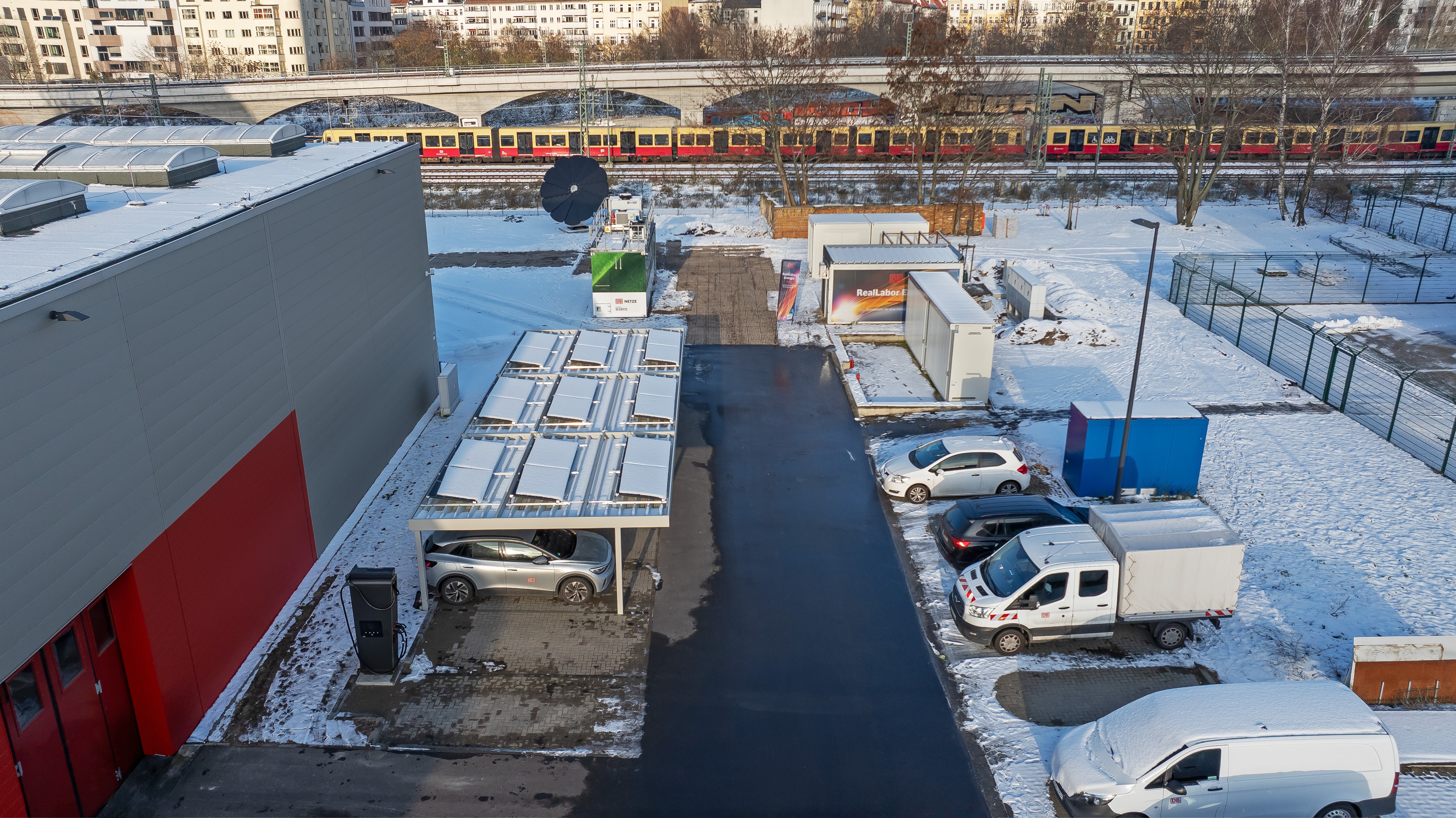
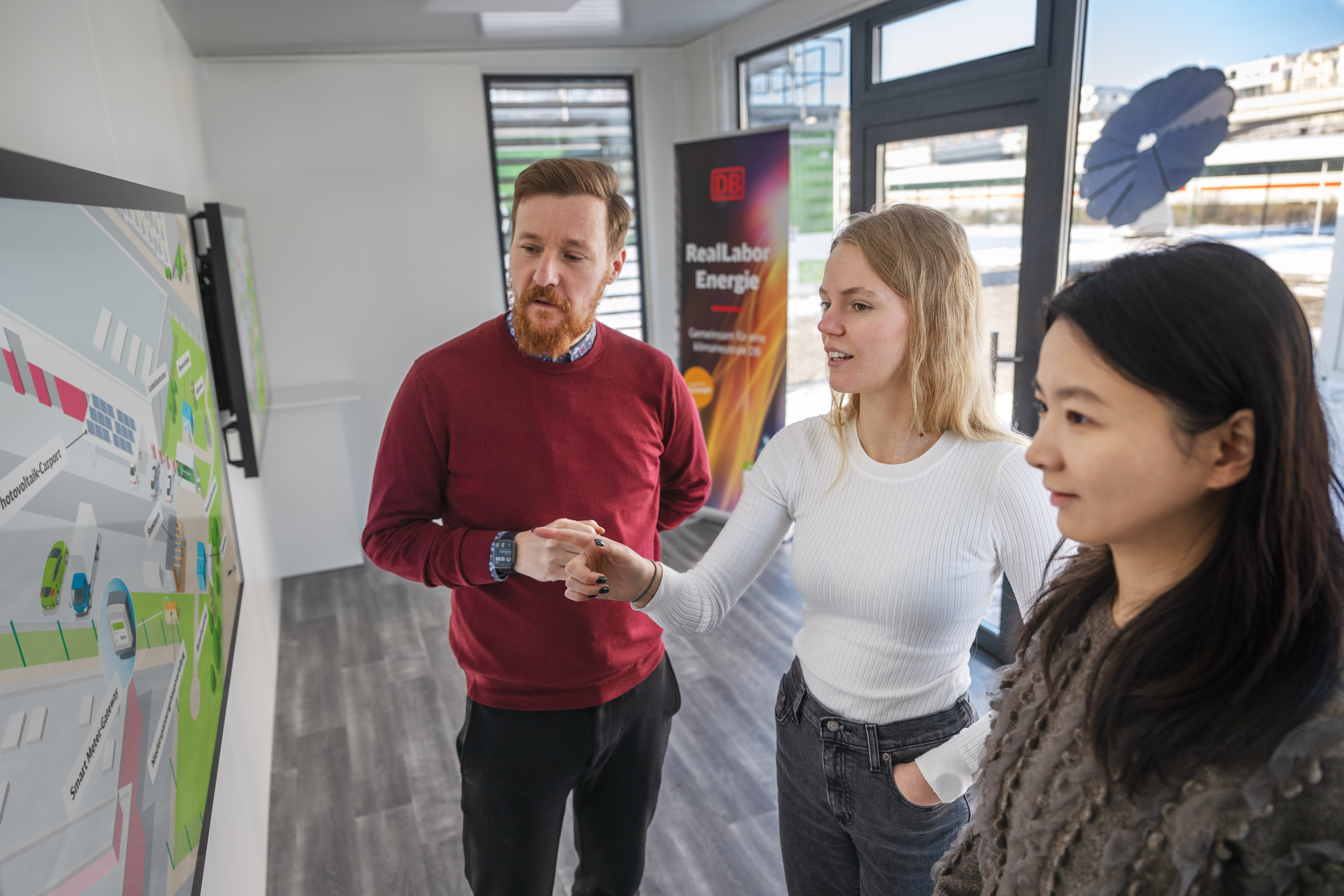
At the Markgrafendamm test site, a central showroom has been built. There, all components of the energy real lab are presented as an interconnected system, showing energy flows, interactions, and dependencies. Software solutions such as visualization and automation tools and intelligent meters – so-called smart meters – support this work.
The components of the RealLabor Energie at a glance
Second-life battery storage
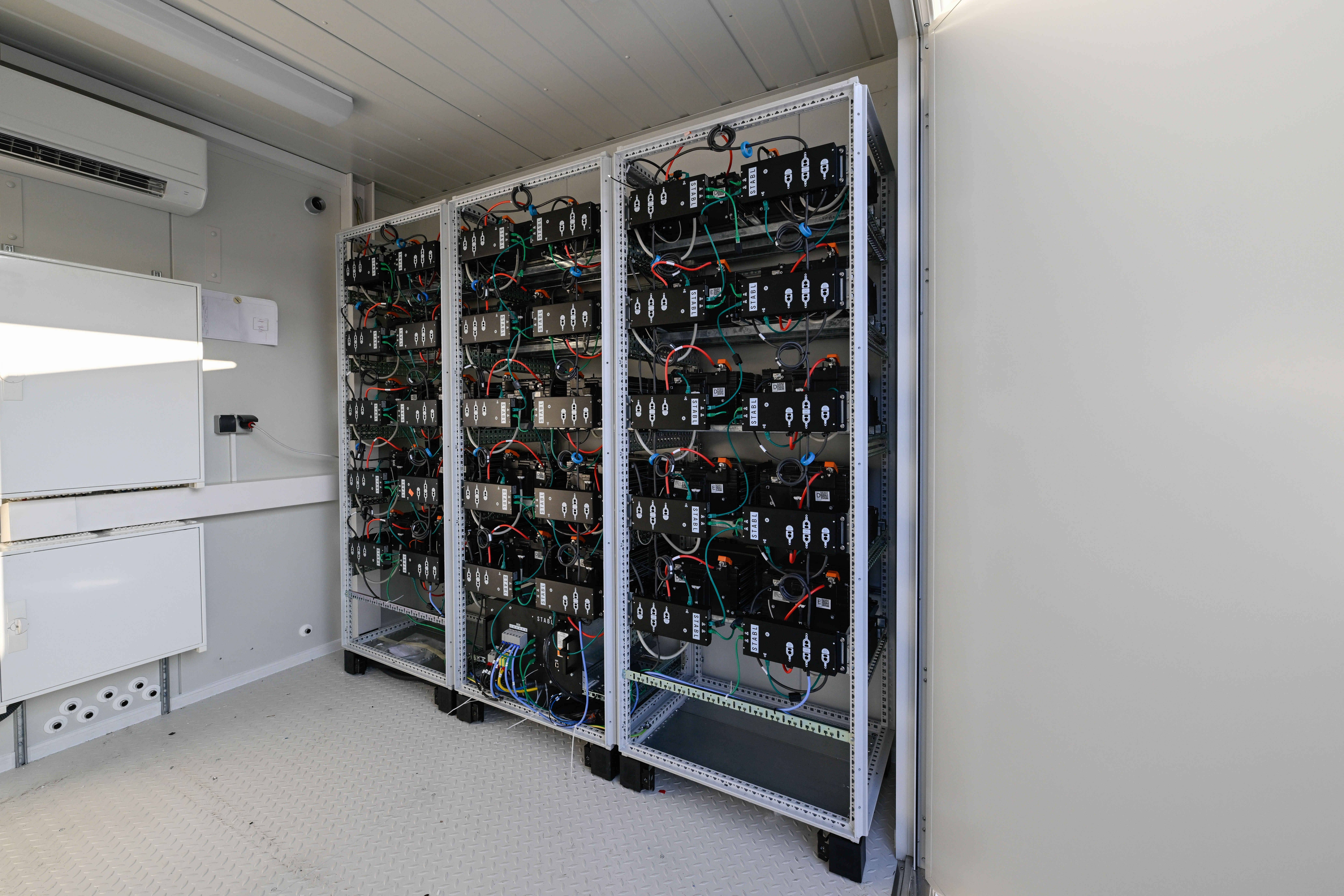
The second-life battery storage system consists of 27 refurbished lithium-ion batteries from electric cars, storing renewable power generated on-site.
Photovoltaic carport
Solar power is generated on-site by PV modules installed on the carport roof, with a total capacity of 7.38 kWp.
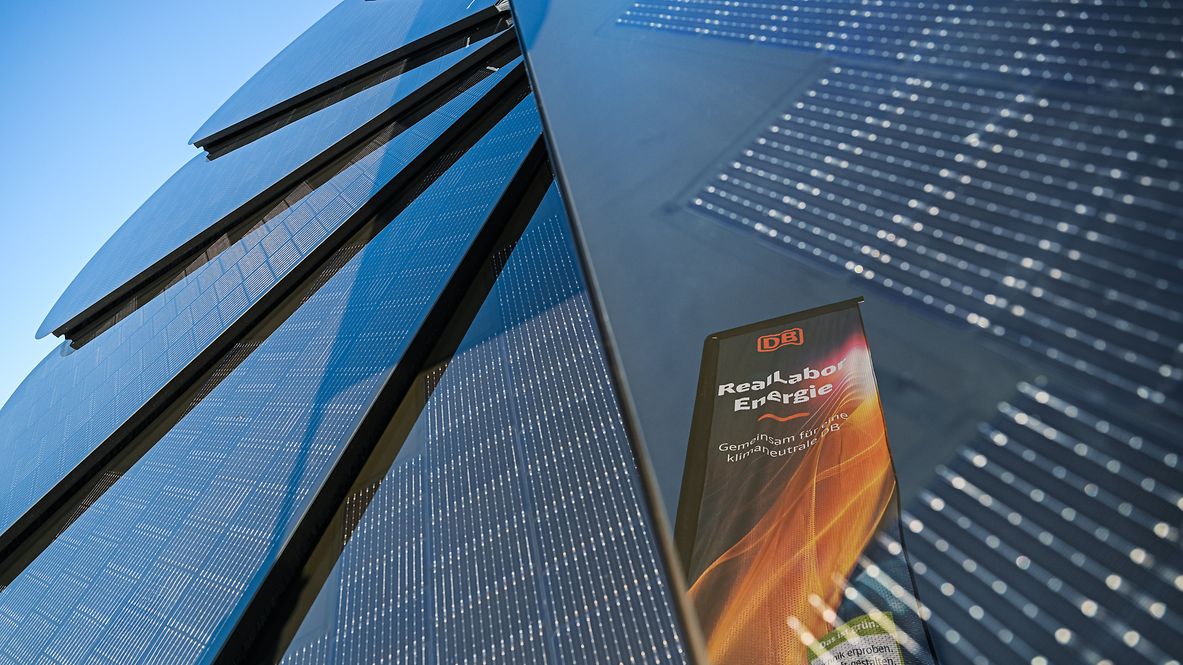
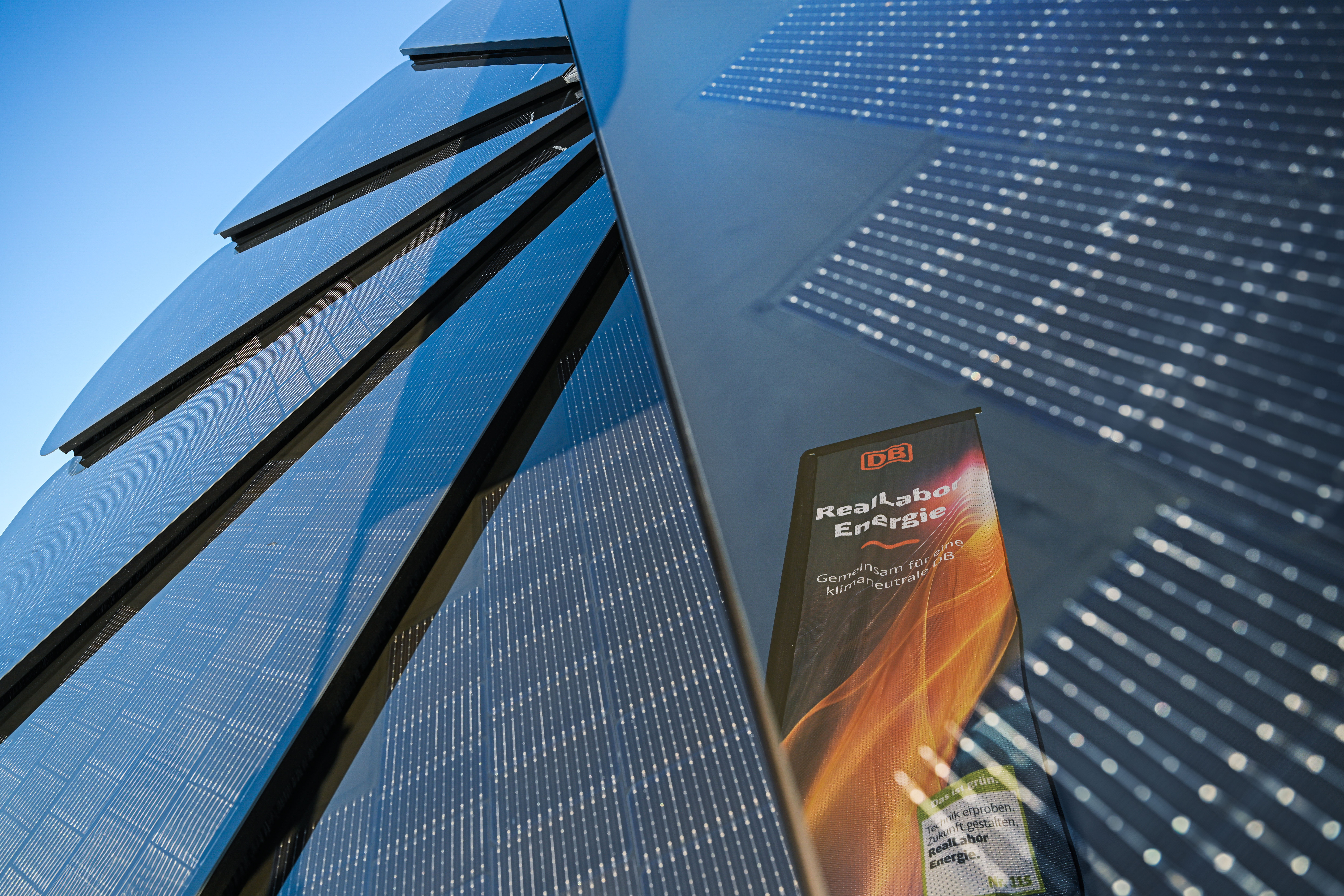
Solar mover
The Solarmover is an innovative PV module. What makes the so-called “solar flower” unique is the fan-shaped arrangement of the individual modules, which can automatically track the sun to continuously harness solar radiation.
Charging infrastructure
Three AC charging stations and one DC station have been installed. AC charging converts alternating current to direct current inside the vehicle, while DC charging performs the conversion directly in the station. A dedicated load management system optimizes charging performance and limits overall demand.
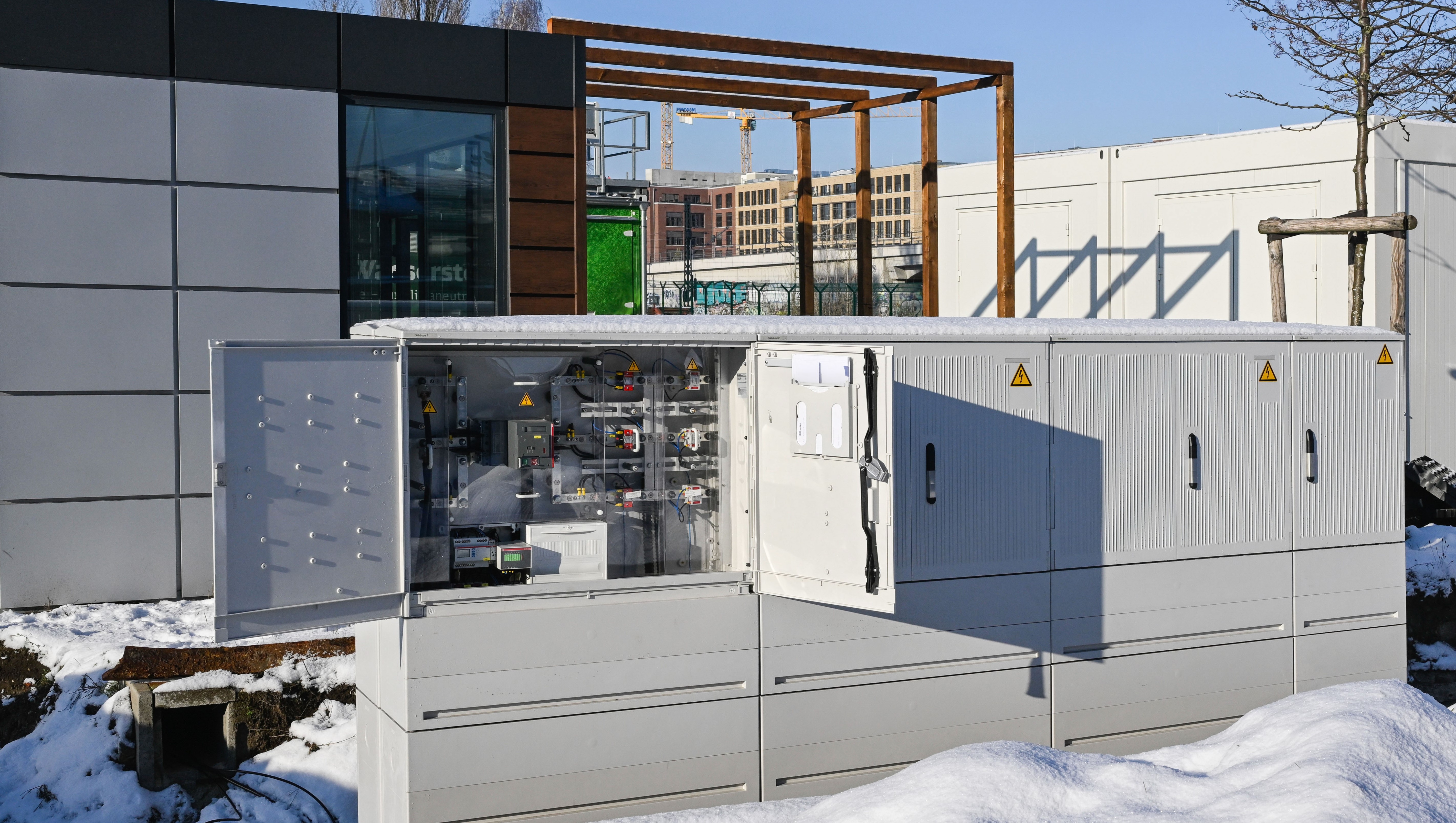
Low-voltage main distribution board
The low-voltage distribution board is the heart of the RealLabor Energie. It links all generation, storage, and consumption components and connects to the public grid. The system is designed to integrate future modules, while metering devices allow for testing different measurement concepts.
Hydrogen filling station
A 25-foot container houses a hydrogen fueling unit. Currently used for demonstration and training, it could later serve as a consumer of electricity, producing hydrogen via electrolysis and storing energy.
With these components, DB has created a so-called micro smart grid – an intelligent, closed power network in miniature – tested under real-life conditions. This allows green power to be generated, stored, and used directly on site. Centralized control and measuring systems ensure that the components work in harmony, balancing fluctuations across the network.
Step by step toward the energy transition
From planning to implementation, every step in building the RealLabor Energie is part of the testing process. The assembly and integration of each component already provide valuable experience for future operations. The Micro Smart Grid is being continuously expanded with additional components.


 Go
Go