


Article: Drone-based remote diagnostics
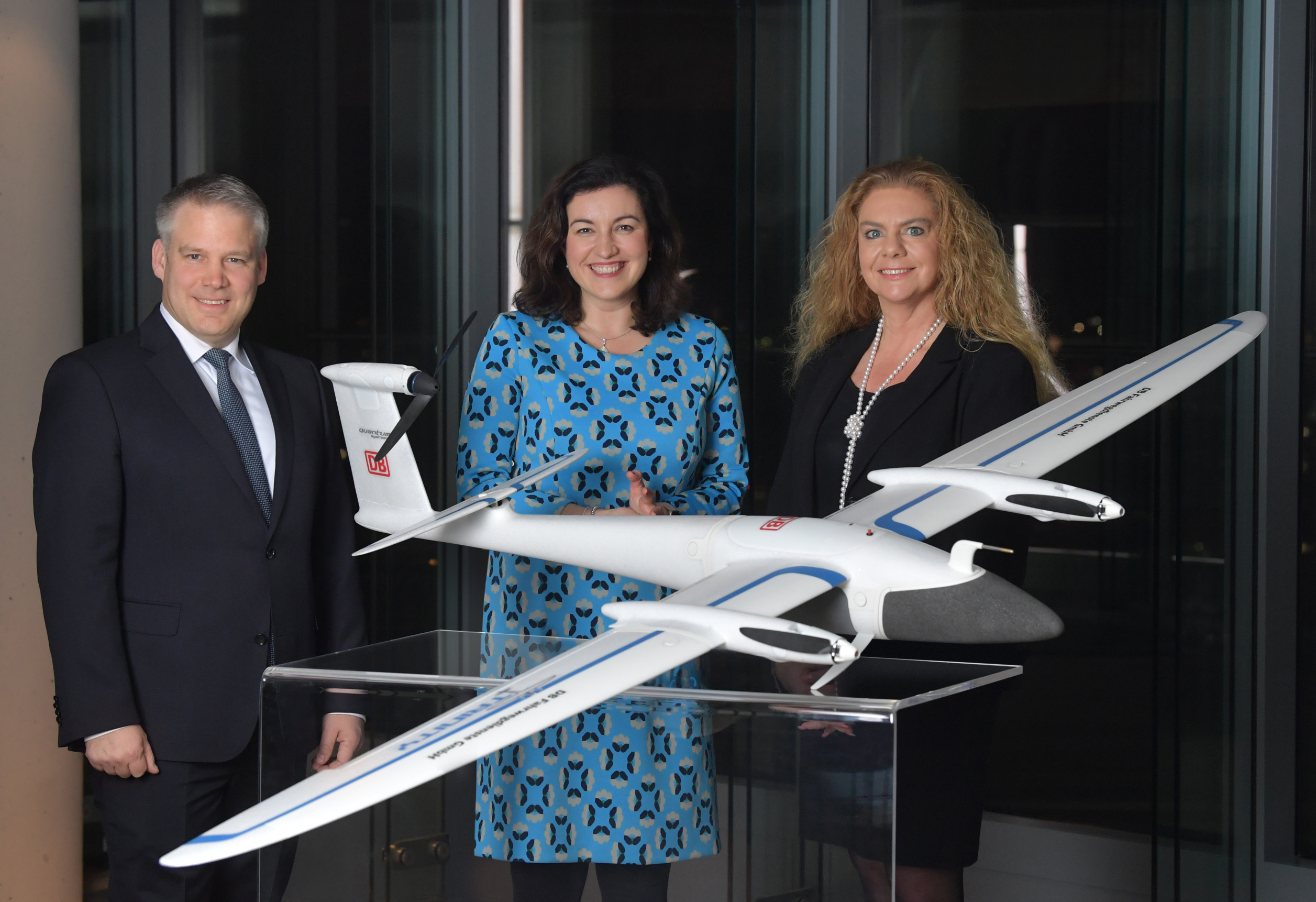
It is planning to test drones and air taxis in Ingolstadt, Germany. DB is one of the participants in the Urban Air Mobility initiative, which is supported by the European Commission and focuses on areas where air mobility could be used and on shaping the framework. Other project partners include Audi, Airbus, the German Aerospace Center, the Federal Ministry of Transport and Digital Infrastructure and the European Union Aviation Safety Agency.
Flying keeps trains running
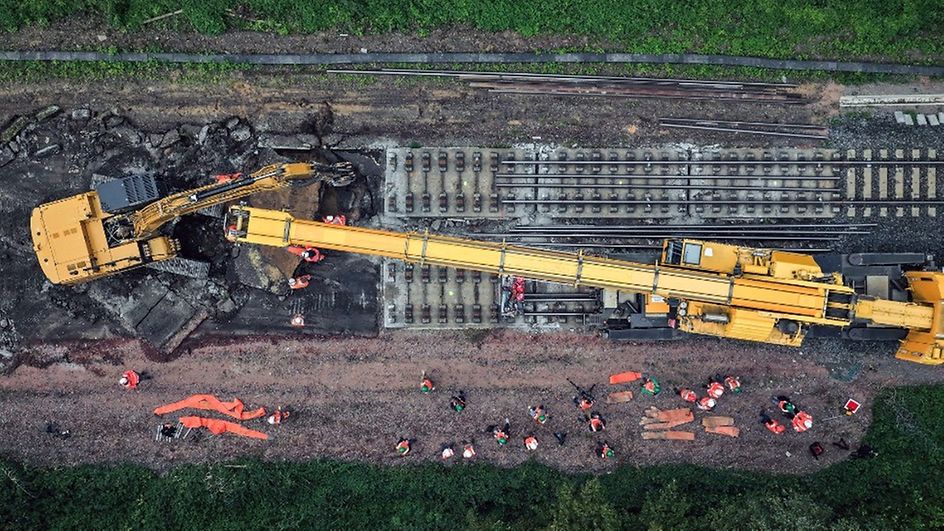
DB's multicopter fleet helps passengers reach their destination reliably and on time and is helping speed up the modernization of Germany's rail network. Aerial images taken by around 20 multicopters provide digital data, which can be used primarily to manage vegetation along rail lines, inspect bridges and stations, and prepare 3D models for construction projects.
Multicopter use at Deutsche Bahn
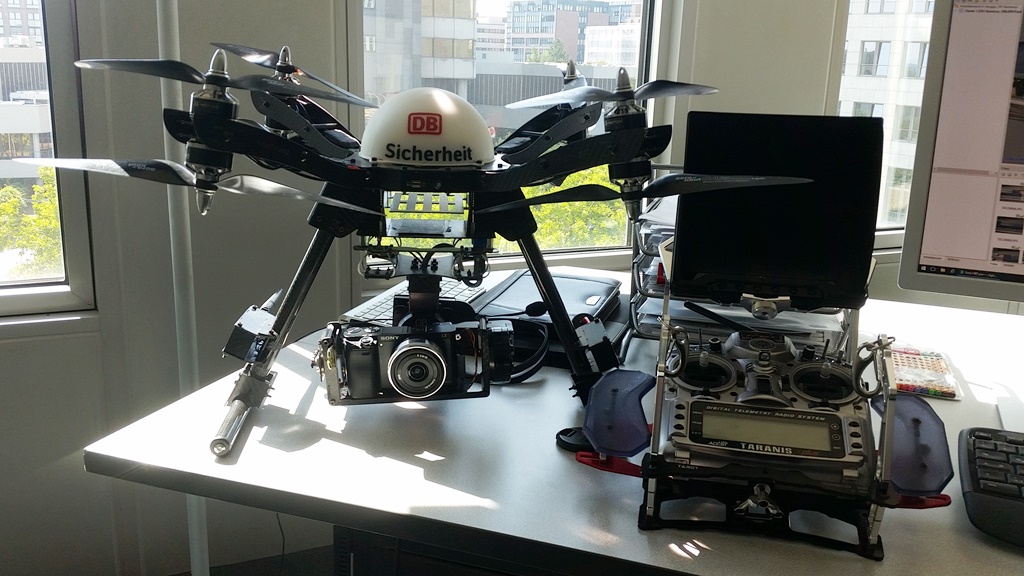
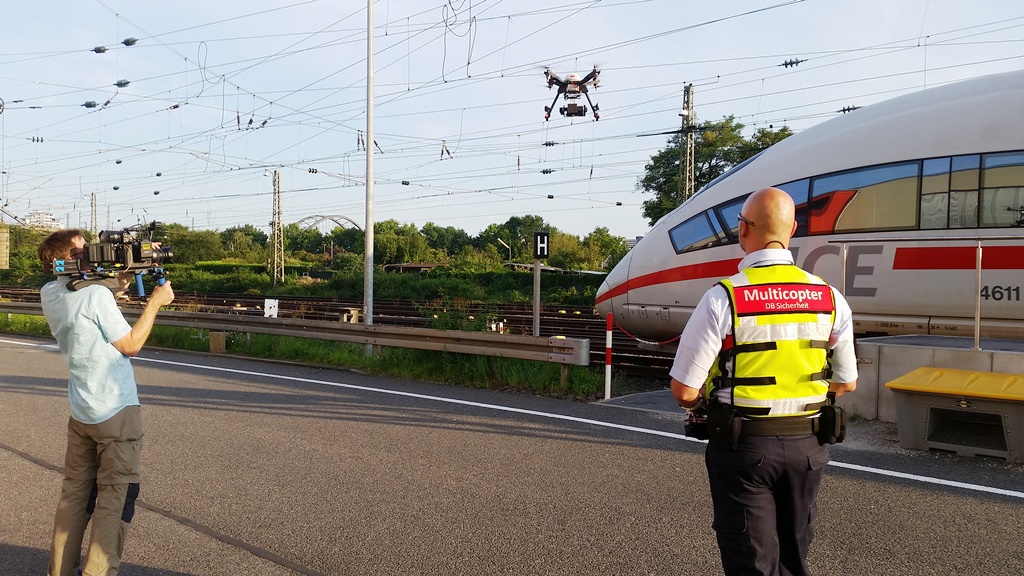
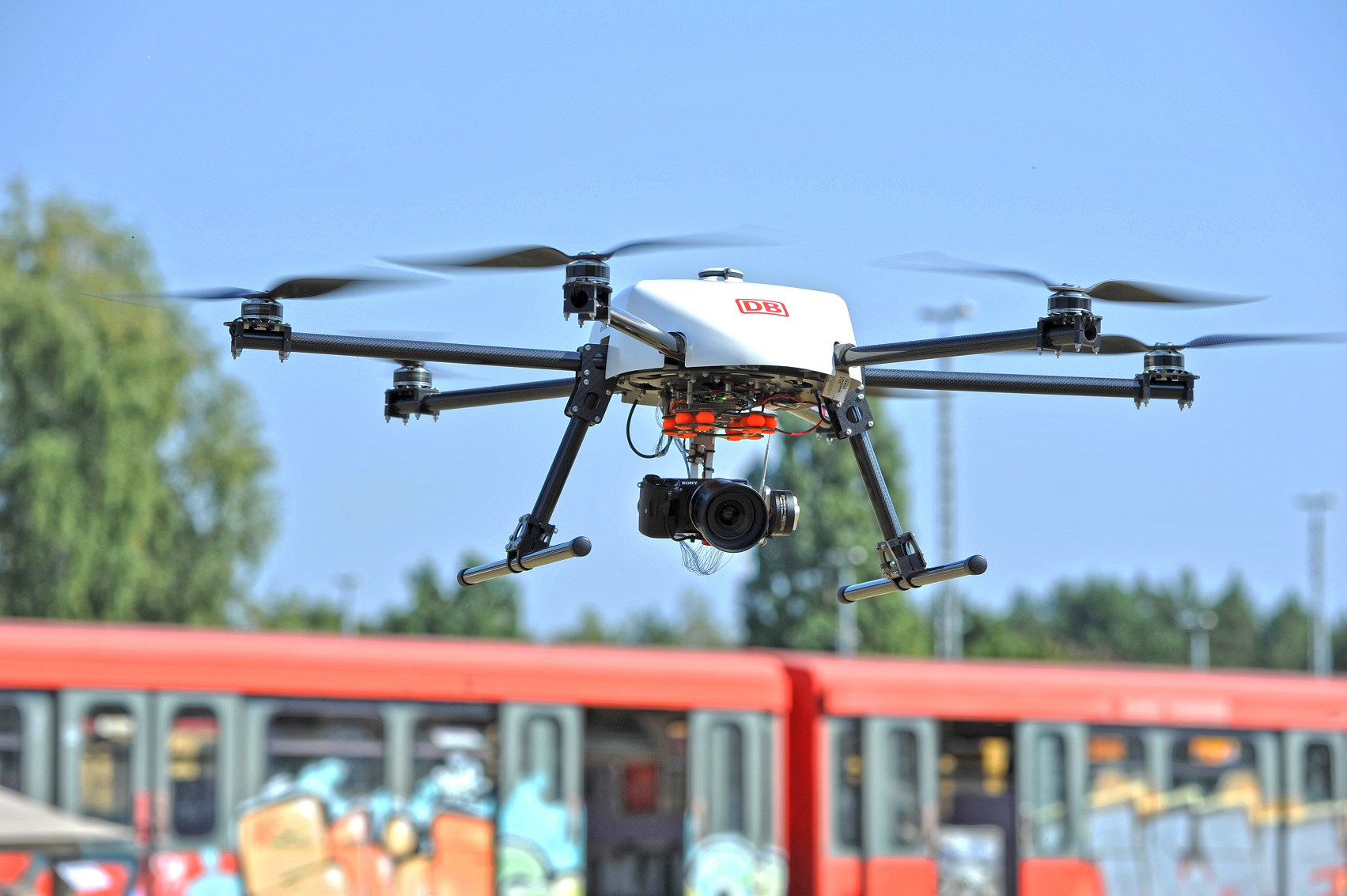
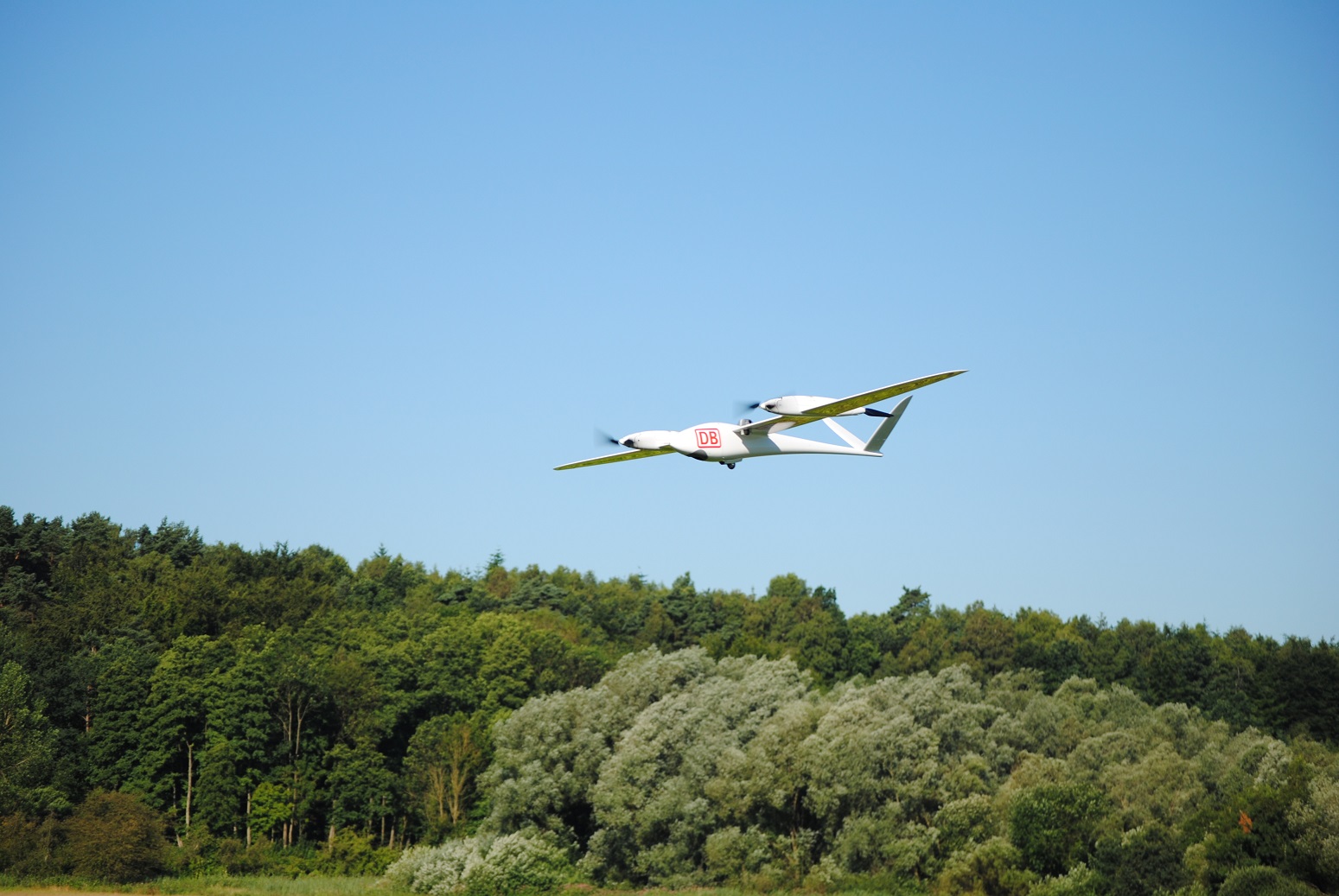
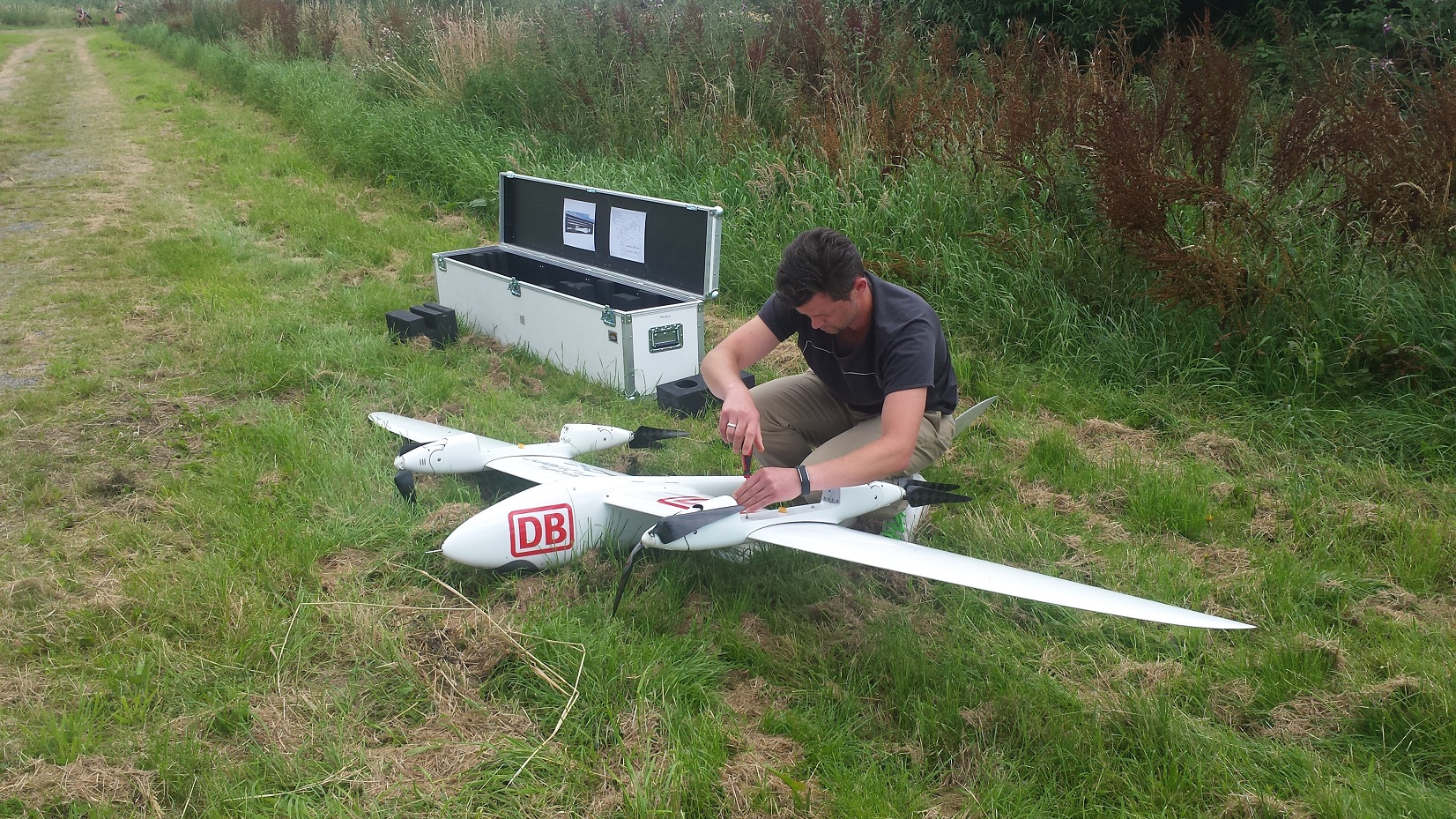
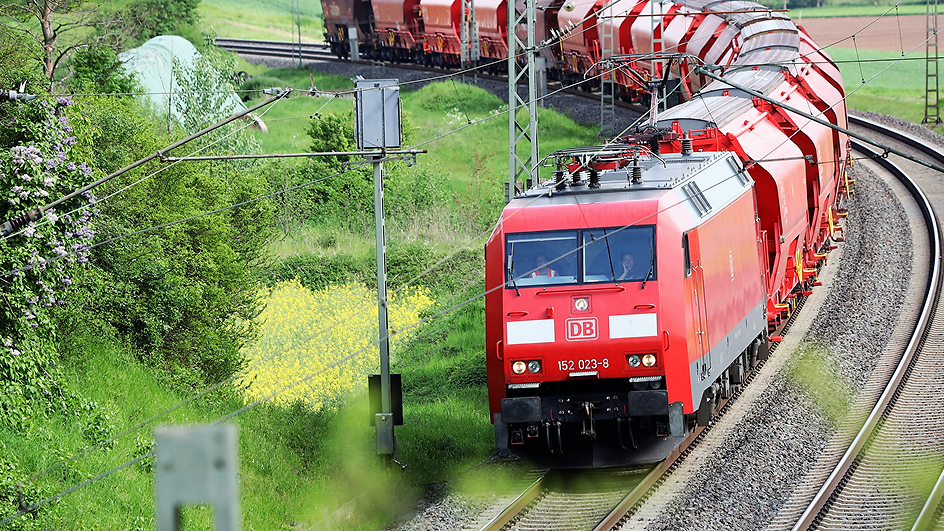
Right now, the biggest potential for drone technology at DB is in inspecting the 33,000 kilometer railway network.
In the future, multicopters will fly "out of sight" so they can become even faster and provide real added value in terms of infrastructure maintenance. Not only will drones make it possible to identify root causes of malfunctions much more quickly and economically; remote diagnostics using long distance drones will mean greater precision and flexibility. Flying drones beyond the visual line of sight (BVLOS) is the first pilot project that DB and partners are conducting at the urban air mobility test space. The first test flight was conducted in Saxony-Anhalt in March. It was six kilometers long and was used to inspect a power line.
Mobility in the third dimension
With noise, particulate matter, space shortages and congestion reaching problematic levels, individual mobility is reaching its limits, especially in cities. At the same time, requirements being placed on mobility continue to increase. And cities are home to more and more people, which means even more traffic. We need innovative mobility solutions to tackle these challenges. The third dimension, the airspace, is becoming an important factor in mobility and logistics within cities, and that's why it is part of the Ingolstadt model project. Mobility in the airspace is an exciting field, which Deutsche Bahn wants to be involved in and help shape from the very beginning. The Ingolstadt region lends itself to the project not only because of the companies located there, which include Audi and Airbus. It also has enough space to make available for tests.
 Go
Go