


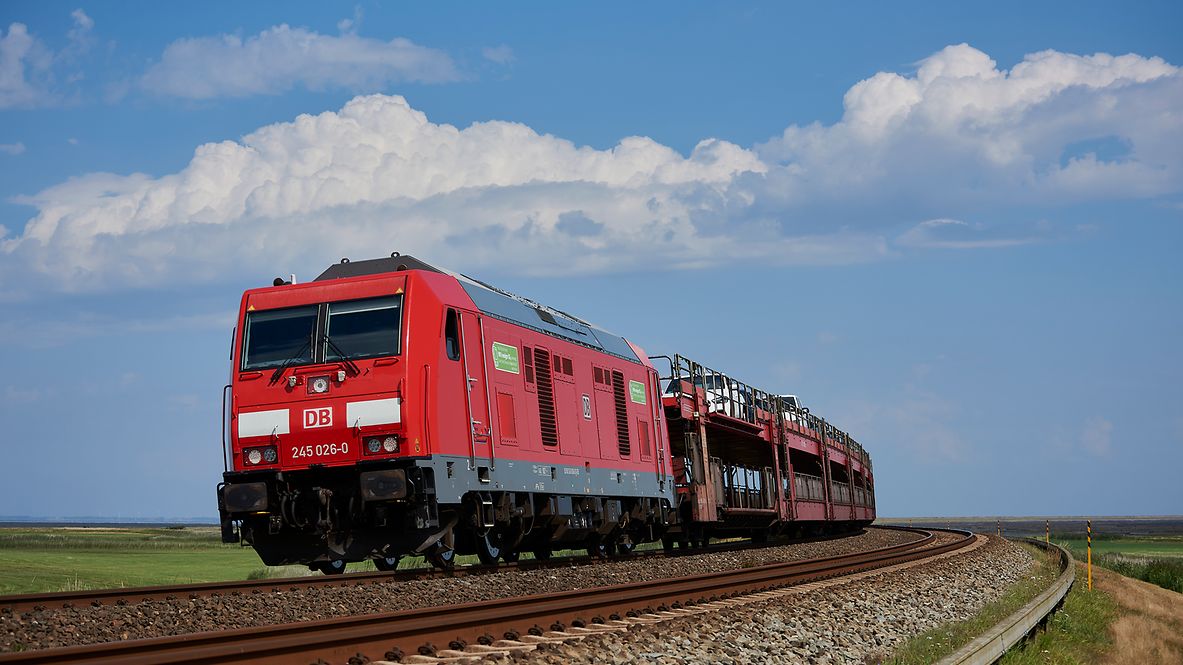
Deutsche Bahn AG has committed to reducing its greenhouse gas emissions across the entire value chain to net zero by 2040. This goal is supported by an implementation plan and has been validated by the renowned and independent Science Based Targets initiative (SBTi). As part of its decarbonization strategy to achieve this goal, DB is also focusing on the continued electrification of its rail network. Today, more than 90%of all rail transport services in Germany are provided electrically (based on output in metric ton kilometres;Ltkm). However, there will be still routes in the future on which goods and passengers cannot always be transported to their destination electrically due to geographical or operational characteristics. On these routes, DB adopts an open-technology approach with alternative drives and fuels as replacements for fossil diesel.
Biofuel in freight transport
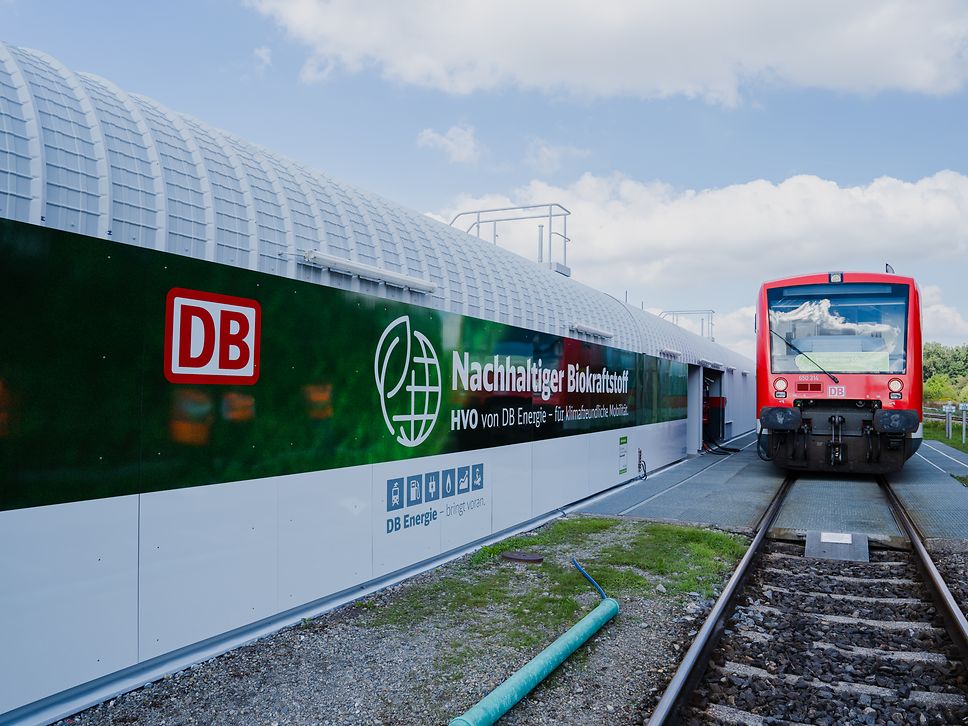
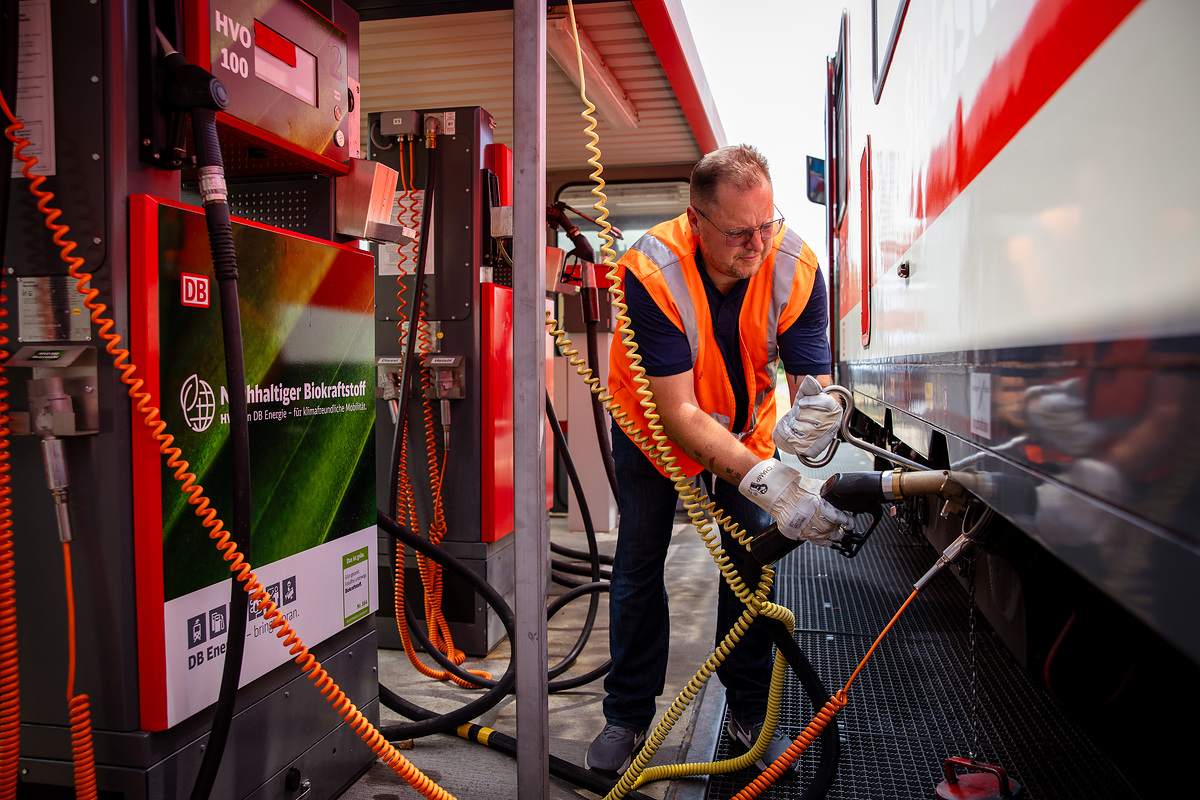
One example of Deutsche Bahn AG’s use of alternative fuels is the biofuel HVO (hydrotreated vegetable oil). According to DB’s procurement requirements, the HVO100 fuel purchased by DB may only be produced from biological residues and waste materials and must be free of palm oil. No additional agricultural land is used for its production that could compete with food and feed production. DB requires suppliers to certify compliance with these procurement requirements.
Compared to conventional diesel, HVO produces up to 90 percent fewer greenhouse gas emissions, depending on the composition of the feedstock. This is because when it is burned in the engine, the amount of CO2e released is the same amount that was previously removed from the atmosphere during the plants’ growth. The remaining portion of greenhouse gas emissions arises during the production and transport of the fuels—that is, in the upstream supply chain. As part of its Climate+ service, DB Cargo ensures that, depending on the route and demand, either renewable power or HVO 100 is used. DB Cargo offsets the remaining greenhouse gas emissions generated during a shipment — for example, from pre- or post-transport by truck — through recognized climate protection projects.
Strict quality standards for climate protection projects
All sustainability projects selected as part of Climate+ must meet strict quality standards. To this end, DB Cargo, together with DB Energie GmbH, invests in high-quality offset certificates (VERs and selected CERs) from projects certified according to strict standards such as VCS + Social Carbon/CCBS or the Gold Standard. The selected projects, for example, promote the expansion of renewable energy and thus contribute to reducing greenhouse gas emissions. In addition, sustainable development in the project regions is strengthened through technology transfer and the establishment of local economic structures. Both local residents and businesses in the region can benefit from this.
Deutsche Bahn AG has tested and approved the use of HVO for its entire cargo fleet of shunting and mainline diesel locomotives in freight transport across Europe. The tests conducted by Deutsche Bahn AG revealed no performance limitations for the vehicle and engine types tested. In Italy, too, locomotives are switching from fossil diesel to biofuel. At DB Cargo Italia, for example, all locomotives running near Cervignano and Brescia (in northern Italy) run on HVO.
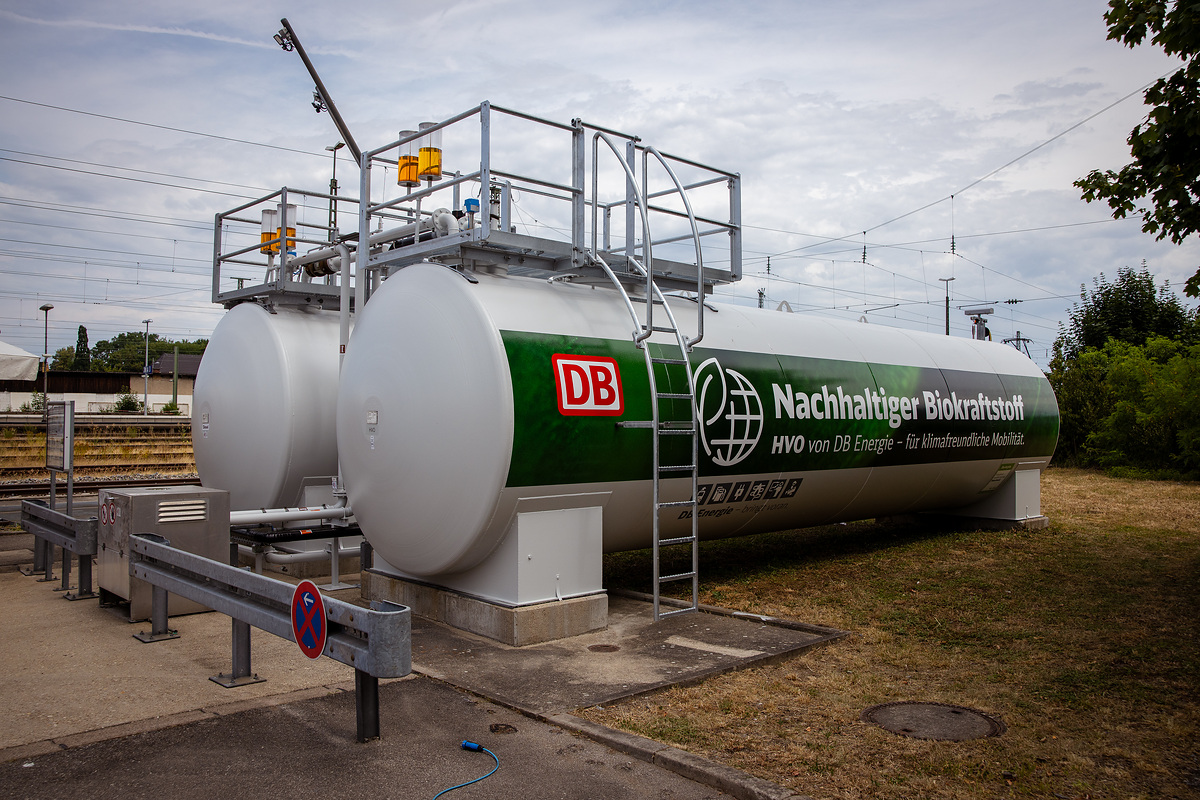
To supply locomotives with the new fuel, Deutsche Bahn AG has already converted about 20 refueling stations in Germany and signed long-term HVO purchase agreements. DB Cargo, in particular, benefits from this in freight transport. Two of the refueling stations are located at the classification yard in Halle (Saale) and at the classification yard in Munich-North. Here, diesel and shunting locomotives now refuel with HVO. However, both refueling stations can also be used by other rail companies.
Biofuel in track construction
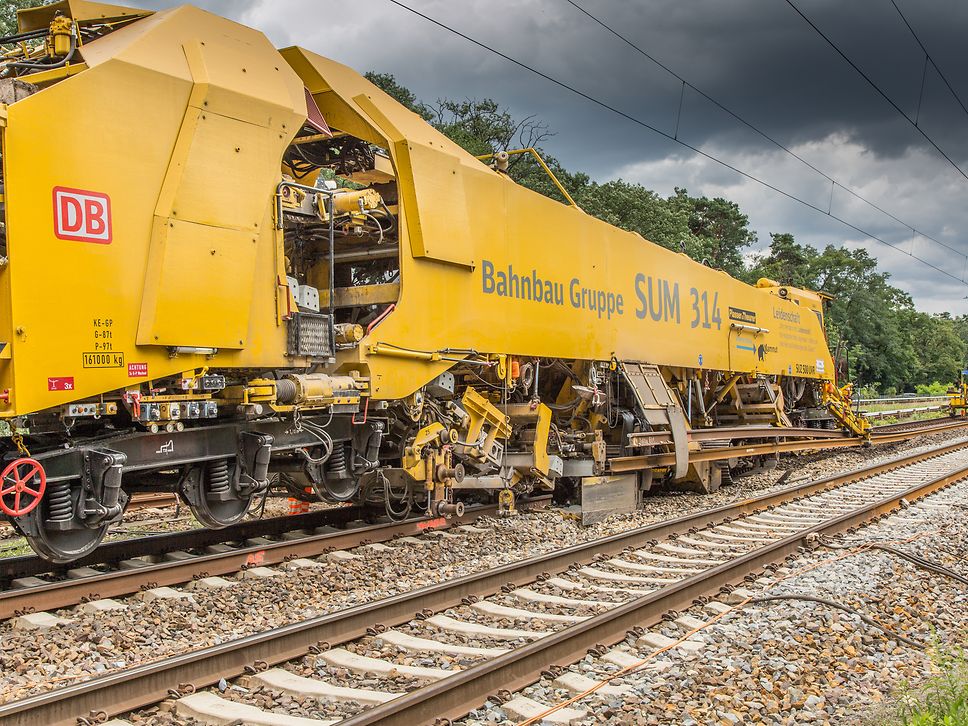
The entire rail vehicle fleet of DB Bahnbau Group is approved for HVO fueling in track construction. Drivers can refuel wherever HVO is available. Two DB Bahnbau refueling stations in Königsborn and Augsburg have already been converted.
Sylt Shuttle running on HVO
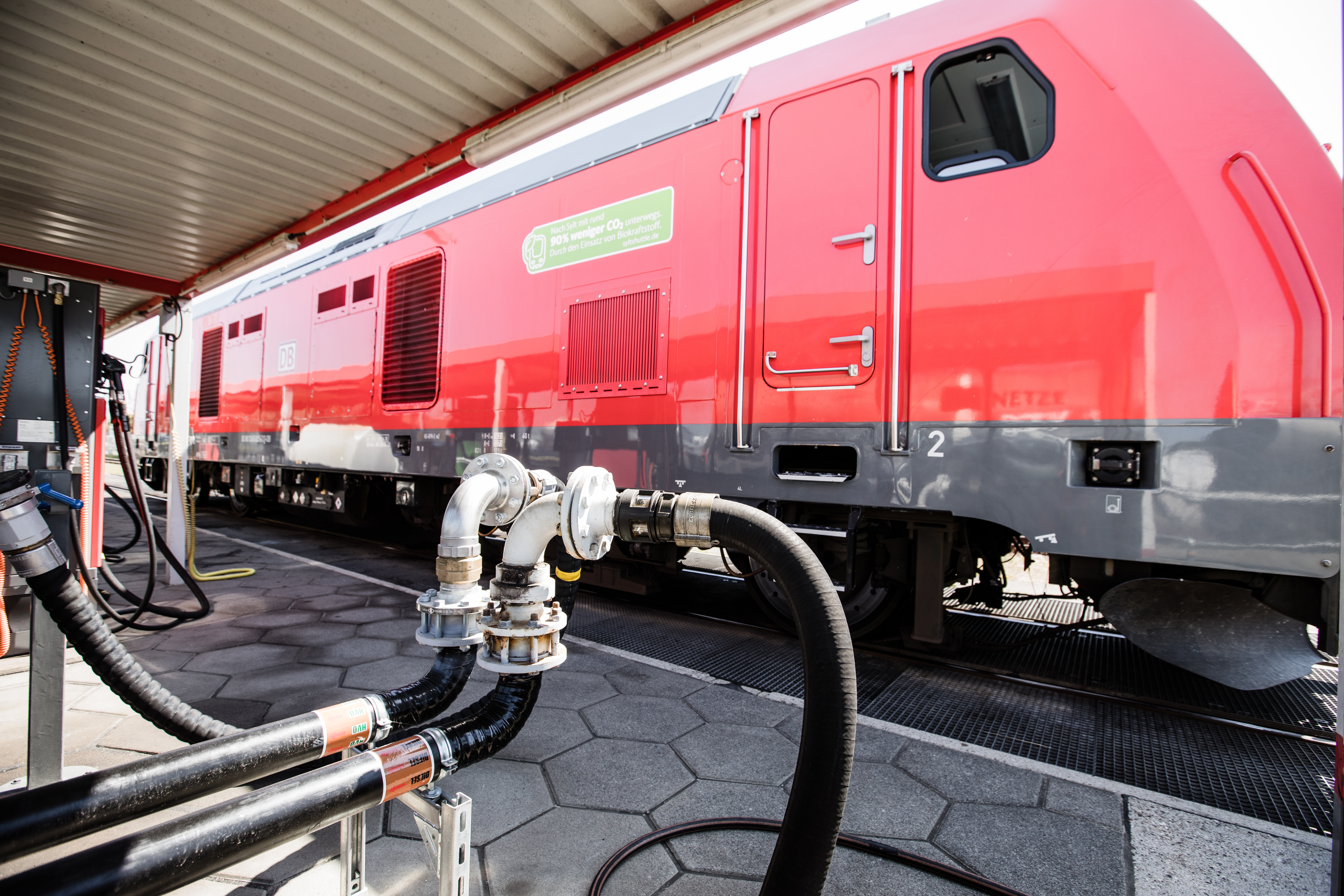
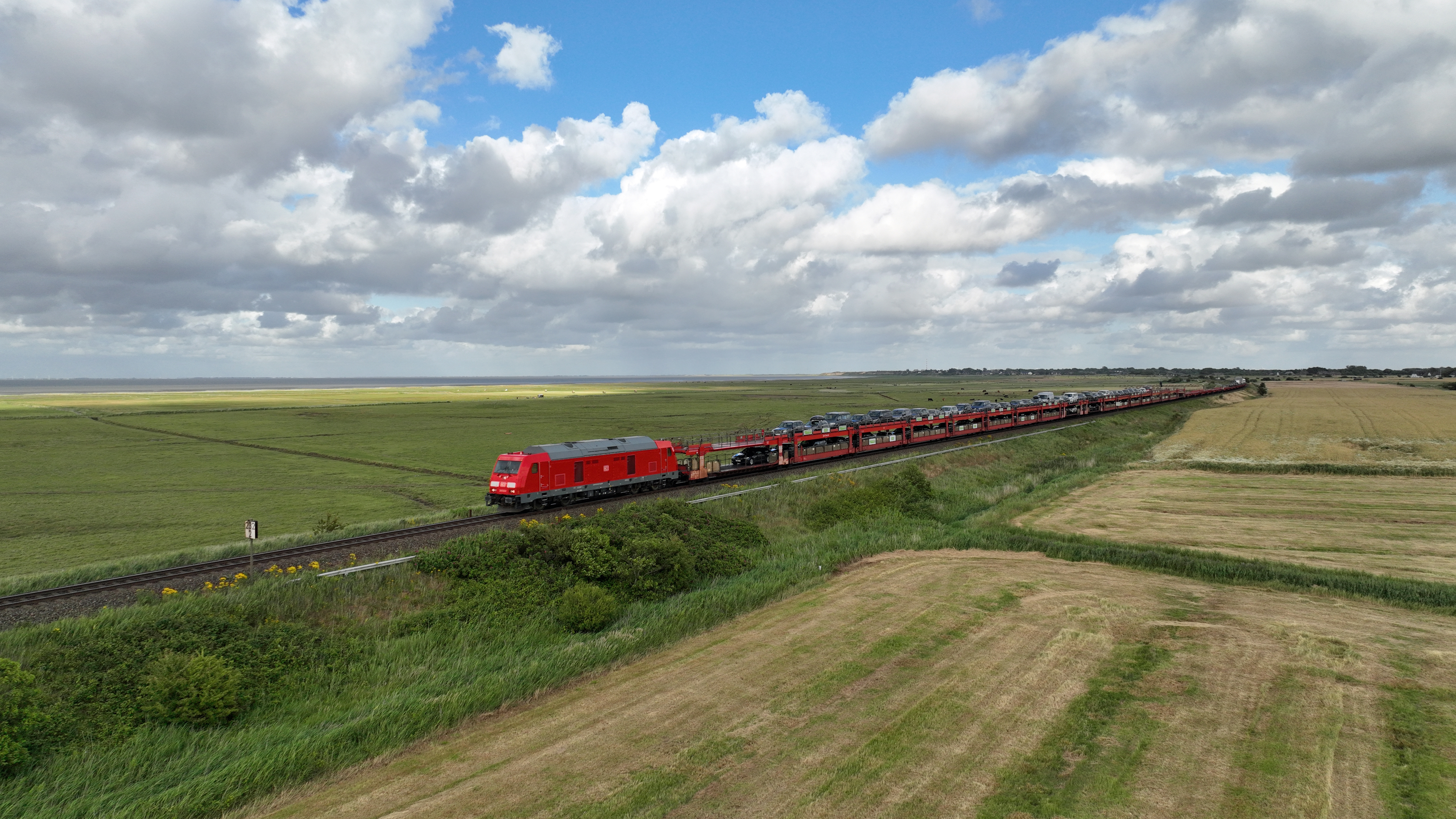
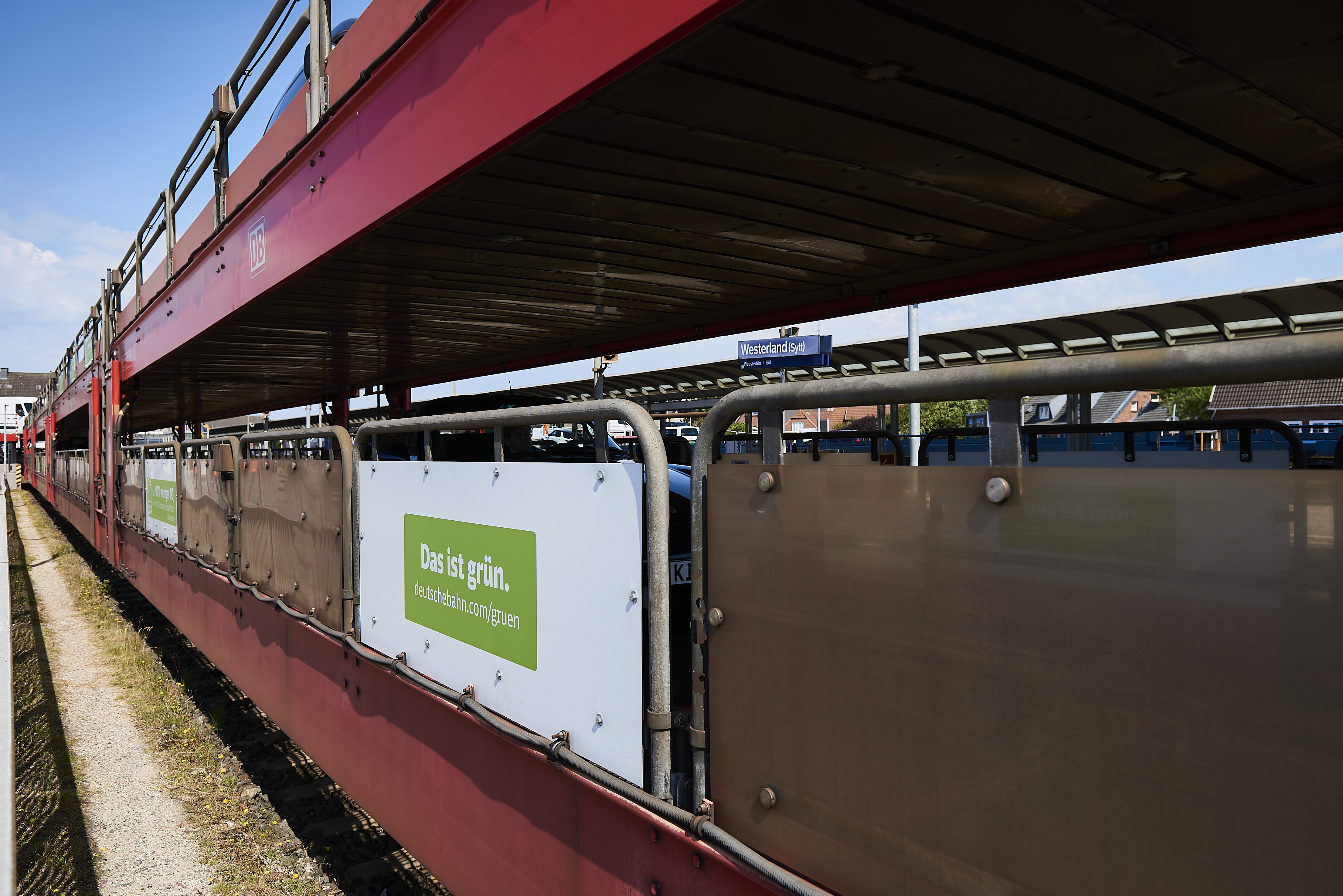
DB Fernverkehr is also using the biofuel. Both the Sylt Shuttle’s car trains and the long-distance Intercity trains that run between Hamburg and Westerland are gradually being refueled with HVO. On some routes, so-called bi-mode locomotives are also in use. They run on electric power on sections of track with overhead lines and switch to diesel operation on all other sections. By using HVO, the use of conventional diesel fuel can be avoided.
Traveling on regional transport with HVO
Regional transport is becoming more climate-friendly as well. In the Aulendorfer Kreuz and Donau-Ostalb regional networks, DB Regio and the state of Baden-Württemberg operate the first trains fueled with HVO. Diesel trains require no modifications and refuel at the Aulendorf station, which has been fully converted from fossil diesel to biofuel. Other railway companies can also use this station.
In another pilot project, DB subsidiary Kurhessenbahn and the Nordhessischer VerkehrsVerbund (NVV) operate with HVO. DB Energie expanded the refueling station in Kassel to accommodate biofuel. The Schwarzatalbahn in Thuringia is also piloting HVO, refueling at the Katzhütte rail station, upgraded by DB Energie.
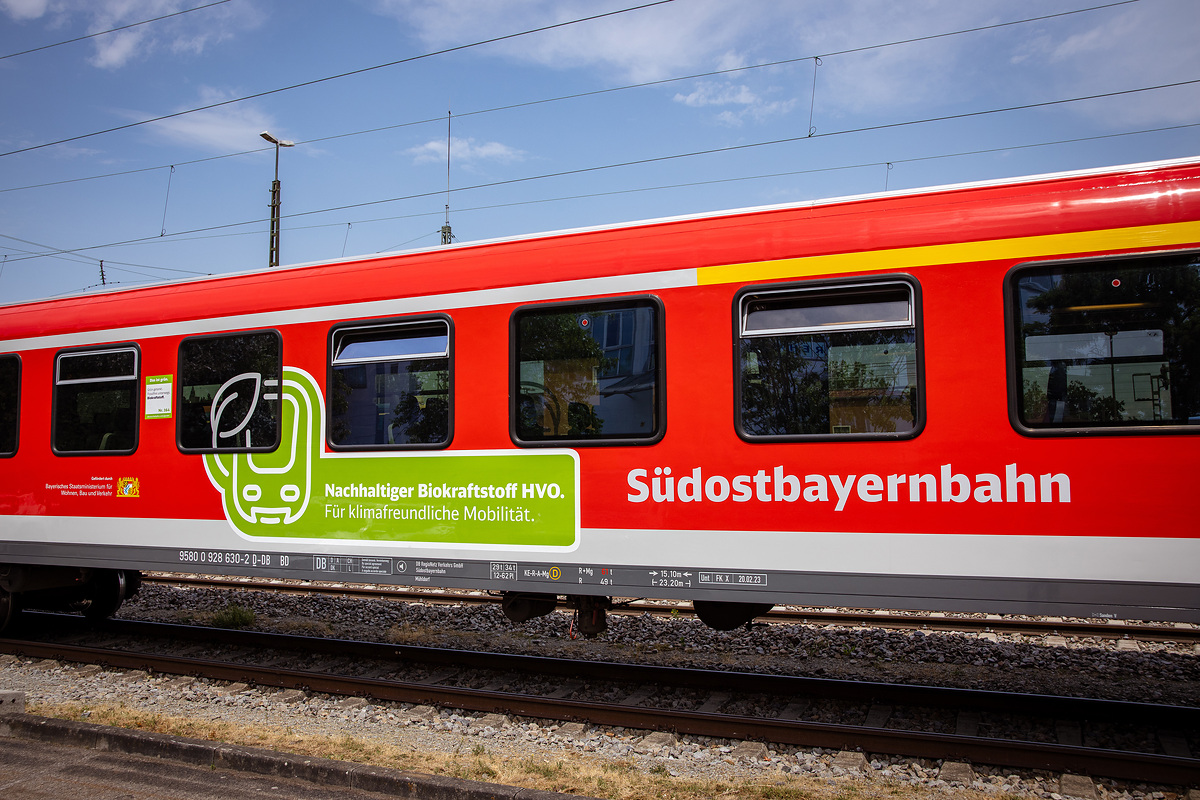
In addition, DB is putting about 20 trains running on biofuel into service on the Sauerland network. To this end, a mobile tank container has been set up in Fröndenberg to supply the RB 54 line’s multiple unit trains with HVO. In Bavaria, seven trains on the Südostbayernbahn are running on HVO for the first time as part of a pilot project. They are in service on the Gäubodenbahn from Neufahrn via Straubing to Bogen and on the Rottalbahn from Mühldorf to Passau. To this end, DB Energie GmbH has equipped a refueling station at the Straubing train station for HVO refueling. The station’s equipment was financed jointly with the state of Bavaria. The state will cover the additional costs for the HVO fuel for at least one year.
On the road with HVO
DB uses biofuel not only on rail but also on the road as an alternative to fossil diesel. At DB Regio Street, for example, the buses operated by Autokraft GmbH run on biofuel. The first vehicles are in service in Schleswig-Holstein in the Ostholstein Süd service area. The biofuel can be used without any costly modifications to the vehicles. Fuel consumption, refueling time, and driving behaviour also remain the same. The buses can refuel at the HVO bus refueling station at the Autokraft depot in Neustadt.
 Go
Go